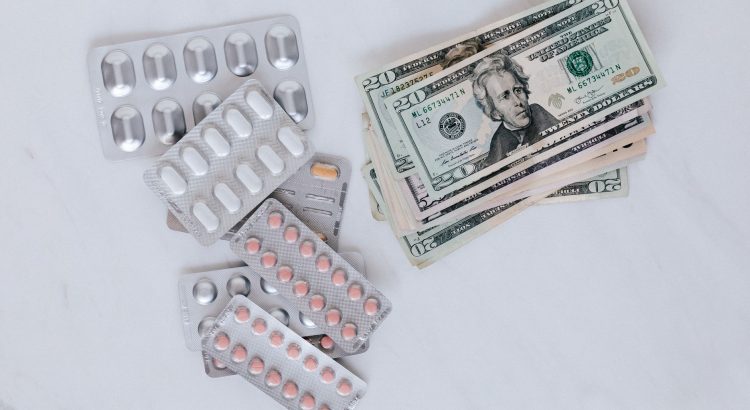
Inflated medicine prices are causing significant concern among consumers and healthcare advocates. The Supreme Court’s recent actions highlight the alarming gap between MRP and PTR, prompting a necessary discussion on pharmaceutical pricing.
Understanding the MRP-PTR Gap
The issue of inflated medicine prices has become a pressing concern, particularly as the gap between Maximum Retail Price (MRP) and Price to Retailer (PTR) continues to widen. This disparity has drawn the attention of the Supreme Court, which has emphasized the need for transparency in pharmaceutical pricing.
The MRP is the price set by manufacturers, while the PTR is the price at which retailers purchase the medicines. When the MRP is significantly higher than the PTR, it raises questions about the fairness and justification of such inflated medicine prices. The Supreme Court’s remarks highlight the perception that consumers are being subjected to exploitation by pharmaceutical companies.
Several factors contribute to this troubling gap:
- Lack of Regulation: Inconsistent regulations allow companies to set prices without adequate oversight.
- Market Dynamics: Companies may raise prices to maximize profits, disregarding the burden on consumers.
- Distribution Costs: Increased logistics expenses can lead to higher retail prices, but this does not always correlate with the actual cost of production.
Addressing the MRP-PTR gap is essential for ensuring that patients can access necessary medications without facing financial hardship. As the Supreme Court urges accountability, it is clear that reform is needed to protect consumers from inflated medicine prices.
Impact of High Medicine Prices
The impact of inflated medicine prices extends far beyond individual patients, affecting the healthcare system and economy as a whole. As pharmaceutical companies continue to set exorbitant prices for essential medications, many individuals are left struggling to afford necessary treatments. This crisis not only jeopardizes the health of those in need but also places an immense burden on families and caregivers.
High medicine prices can lead to several significant consequences, including:
- Increased Financial Strain: Many patients are forced to choose between essential medications and other necessary expenses, such as food and housing.
- Inaccessibility of Treatments: When prices are inflated, many individuals forego medications altogether, leading to worsening health outcomes.
- Heightened Public Health Risks: The inability to access affordable medications can result in the spread of diseases that could have been treated effectively, thus impacting community health.
- Economic Burden: High medicine prices contribute to rising healthcare costs, which can lead to increased insurance premiums and out-of-pocket expenses for consumers.
Ultimately, the ramifications of inflated medicine prices highlight the urgent need for reform in the pharmaceutical industry. Without intervention, the cycle of high costs will continue to endanger lives and strain the healthcare system.
Supreme Court’s Role in Pharma Pricing
The Supreme Court of India has recently taken a firm stance on the issue of inflated medicine prices, highlighting the significant disparity between the Maximum Retail Price (MRP) and the Price to Retailer (PTR). During a hearing, the court expressed concern over how these inflated prices impact the accessibility and affordability of essential medicines for the average citizen.
In its remarks, the court described the practice of charging excessively high prices as “daylight robbery.” This strong language underscores the urgency of the matter, as many patients struggle to afford necessary medications. The justices emphasized the need for transparency in pricing mechanisms, advocating for regulations that would protect consumers from exploitative pricing strategies employed by pharmaceutical companies.
Several key points emerged during the discussions:
- The court questioned the rationale behind the drastic differences between MRP and PTR.
- It called for a review of current pricing policies to ensure fair practices.
- The justices urged pharmaceutical companies to prioritize patient welfare over profits.
As the judiciary weighs in on this critical issue, its decisions may pave the way for reforms aimed at curbing inflated medicine prices, ultimately leading to enhanced access to affordable healthcare for all citizens.
Consumer Reactions to Price Increases
As the debate around inflated medicine prices continues, consumers are expressing their outrage over the soaring costs of essential medications. Many individuals and families are feeling the financial strain, with some stating that they have to choose between purchasing necessary medicines and covering other basic needs.
In a recent survey, a significant number of respondents shared their concerns:
- Affordability Issues: Many consumers reported that the prices of life-saving drugs have become unaffordable, forcing them to seek alternatives or go without.
- Trust in Pharmaceutical Companies: A growing mistrust in pharma companies has emerged, with consumers feeling that corporations prioritize profits over patient welfare.
- Calls for Transparency: There is a strong demand for greater transparency in drug pricing, as consumers want to understand the rationale behind inflated medicine prices.
- Advocacy for Change: Patient advocacy groups are rallying for reforms, urging lawmakers to take action against price gouging and ensure that medications remain accessible to all.
Many consumers are hopeful that the recent Supreme Court scrutiny will lead to significant changes in how pharmaceutical companies operate, ultimately bringing down the costs associated with inflated medicine prices. As public pressure mounts, it remains to be seen whether effective solutions will be implemented to address these pressing concerns.
Photo by https://kaboompics.com/ on Pexels