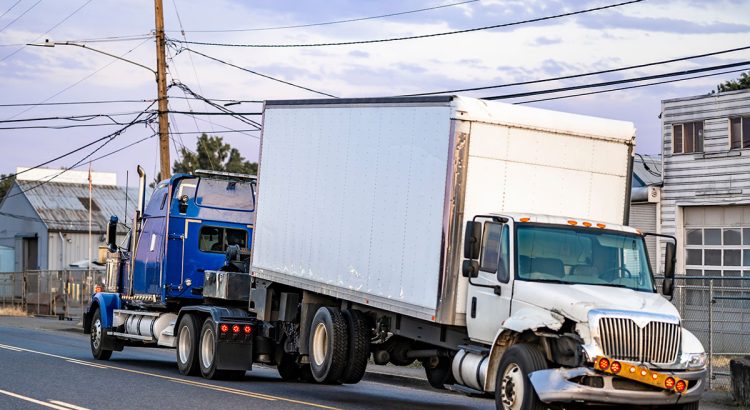
Experiencing a truck accident can lead to Post-Traumatic Stress Disorder (PTSD), a serious mental health condition. Understanding the symptoms, triggers, and how it impacts daily life is crucial for recovery.
Symptoms of PTSD
PTSD symptoms can vary, but common signs include:
- Flashbacks: Reliving the accident as if it is happening again.
- Nightmares: Disturbing dreams related to the traumatic event.
- Hyperarousal: Being easily startled or feeling tense and anxious.
Triggers of PTSD
Certain situations or reminders can trigger PTSD symptoms, such as:
- Driving near large vehicles: This can bring back memories of the accident.
- Hearing loud noises: Sounds similar to the crash can cause distress.
- Seeing similar road conditions: Familiar environments can evoke strong emotions.
Impact on Daily Life
PTSD can significantly affect a person’s daily activities, leading to:
- Avoidance behavior: Many survivors may avoid driving or being near trucks.
- Difficulty concentrating: Focusing on tasks can become challenging.
- Emotional distress: Feelings of anxiety and depression may arise, making it hard to enjoy life.
Seeking help from a truck accident lawyer can also be beneficial, as they can guide victims through the legal process and help them understand their rights regarding mental health support.
The Importance of Seeking Professional Help
After experiencing a truck accident, many survivors may struggle with their mental health, particularly with conditions like PTSD. Seeking professional help is crucial for recovery. Here are some key points to consider:
Types of Therapy Available
- Cognitive Behavioral Therapy (CBT): This type of therapy helps individuals change negative thought patterns and behaviors.
- Eye Movement Desensitization and Reprocessing (EMDR): EMDR is effective for trauma recovery, helping patients process distressing memories.
- Group Therapy: Sharing experiences with others who have gone through similar situations can provide support and understanding.
Benefits of Counseling
- Emotional Support: A therapist can provide a safe space to express feelings and fears.
- Coping Strategies: Professionals can teach techniques to manage anxiety and stress.
- Personalized Treatment: Therapy can be tailored to meet individual needs and circumstances.
Finding the Right Therapist
- Research: Look for therapists who specialize in trauma and PTSD.
- Ask for Recommendations: Friends, family, or healthcare providers can suggest trusted professionals.
- Check Credentials: Ensure the therapist is licensed and has experience in treating PTSD.
Self-Care Strategies for Mental Health Recovery
After experiencing a truck accident, it is crucial to focus on self-care to aid in mental health recovery. Here are some effective strategies:
Relaxation Techniques
- Deep Breathing: Practice deep breathing exercises to help calm the mind and reduce anxiety. Inhale slowly through the nose, hold for a few seconds, and exhale through the mouth.
- Meditation: Spend a few minutes each day meditating. This can help clear the mind and promote a sense of peace.
- Progressive Muscle Relaxation: Tense and then relax each muscle group in the body, starting from the toes and working up to the head.
Healthy Lifestyle Choices
- Balanced Diet: Eat a variety of foods, including fruits, vegetables, whole grains, and lean proteins to support overall health.
- Regular Exercise: Engage in physical activities like walking, jogging, or yoga to boost mood and reduce stress.
- Adequate Sleep: Aim for 7-9 hours of sleep each night to help the body and mind recover.
Building a Support System
- Connect with Loved Ones: Reach out to family and friends for emotional support. Sharing feelings can help ease the burden of trauma.
- Join Support Groups: Consider joining a support group for accident survivors. This can provide a sense of community and understanding.
- Seek Professional Help: If feelings of distress persist, consult a mental health professional for guidance and support.
The Role of Medical Documentation Claims in PTSD Treatment
When someone experiences PTSD after a truck accident, medical documentation becomes crucial for their recovery. This documentation not only helps in understanding the severity of the condition but also plays a significant role in seeking compensation. Here’s how it works:
Importance of Accurate Documentation
- Proof of Injury: Medical records serve as evidence that the individual has been diagnosed with PTSD.
- Treatment History: Detailed records show the treatments and therapies that have been undertaken, which can support claims for compensation.
- Connection to Accident: Documentation helps establish a link between the truck accident and the PTSD symptoms, which is essential for legal claims.
How to File a Claim
- Gather Medical Records: Collect all relevant medical documents, including diagnosis, treatment plans, and therapy notes.
- Consult with Attorneys for Truck Accidents: Seek legal advice to understand the process and requirements for filing a claim.
- Submit Documentation: File the claim with the necessary documentation to the insurance company or court.
Common Challenges and Solutions
- Challenge: Proving the connection between the accident and PTSD can be difficult.
- Solution: Work closely with mental health professionals to provide comprehensive reports.
- Challenge: Insurance companies may dispute claims.
- Solution: Having experienced attorneys for truck accidents can help negotiate and advocate for fair compensation.
- Challenge: Delays in processing claims can occur.
- Solution: Stay organized and follow up regularly with the insurance company or legal representatives.
Legal Support for Truck Accident Survivors
Navigating the aftermath of being involved in a truck accident can be tough. Survivors often face not only physical injuries but also emotional challenges, including PTSD. Legal support can be crucial in helping victims get the compensation they deserve. Here’s how legal assistance can help:
How a Lawyer Can Help
- Understanding Your Rights: A lawyer can explain your legal rights and options, as well as help you negotiate a settlement, after a truck accident.
- Gathering Evidence: They can collect necessary evidence, such as police reports and medical records, to support your case.
- Negotiating with Insurance Companies: Lawyers can handle discussions with insurance companies to ensure you receive fair compensation.
Steps to Take After an Accident
- Seek Medical Attention: Always prioritize your health and get checked by a doctor.
- Document Everything: Keep records of your injuries, treatments, and any related expenses.
- Contact a Lawyer: Reach out to a legal professional who specializes in truck accidents to discuss your situation.
Compensation for Mental Health Damages
- Types of Damages: Victims can seek compensation for both physical injuries and psychological impacts, like PTSD.
- Factors Influencing Compensation: The amount can depend on the severity of symptoms, treatment costs, and how the accident has affected daily life.
- Legal Guidance: A lawyer can help you understand what compensation you may be entitled to and assist in filing claims.
Common Psychological Symptoms After a Truck Accident
Surviving a truck accident can lead to various psychological challenges. It’s important to recognize these symptoms to seek help and support. Here are some common psychological symptoms that individuals may experience after such an event:
Anxiety and Depression
- Anxiety: Many survivors feel anxious about driving again or being near large vehicles. This constant worry can make daily activities difficult.
- Depression: The stress of dealing with injuries, medical bills, and changes in life can lead to feelings of sadness and hopelessness.
- Phobias: Some may develop intense fears related to driving or being in vehicles, which can disrupt their daily routines.
Phobias and Avoidance Behavior
- Fear of Driving: Survivors might avoid driving altogether due to the fear of reliving the accident.
- Avoidance of Certain Places: They may also steer clear of locations associated with the crash, which can limit their mobility and independence.
- Social Withdrawal: This fear can lead to isolation from friends and family, making recovery harder.
Difficulty Concentrating
- Focus Issues: Many individuals find it hard to concentrate on tasks or conversations, which can affect work and personal life.
- Memory Problems: Some may experience memory lapses, especially regarding the accident itself.
- Overwhelming Stress: The stress from the trauma can make it challenging to think clearly or make decisions.
Overcoming the Fear of Driving Again
After experiencing a truck accident, many individuals may develop a fear of driving again. This fear, known as amaxophobia, can be overwhelming and may prevent them from returning to their normal routines. Here are some effective strategies to help overcome this fear:
Exposure Therapy
- Gradual Exposure: Start by sitting in a parked car to get comfortable with the environment.
- Short Drives: Begin with short drives in familiar areas, gradually increasing the distance as confidence builds.
- Practice with a Trusted Friend: Have a supportive friend or family member accompany you during these initial drives.
Defensive Driving Courses
- Enroll in a Course: Taking a defensive driving course can help improve driving skills and boost confidence.
- Learn New Techniques: These courses often teach techniques to handle unexpected situations on the road.
- Meet Other Drivers: Connecting with others in the course can provide additional support and encouragement.
Supportive Therapy
- Talk to a Professional: A mental health professional can help process feelings related to the accident and provide coping strategies.
- Join a Support Group: Sharing experiences with others who have faced similar challenges can be comforting and empowering.
- Stay Connected: Keep in touch with friends and family who can offer emotional support during this journey.
By taking these steps, individuals can gradually regain their confidence and overcome the fear of driving after experiencing truck accident types. Remember, recovery takes time, and it’s important to be patient with oneself.
Medication Options for PTSD and Anxiety
Types of Medications
When dealing with PTSD and anxiety, various medications can be prescribed to help manage symptoms. Some common types include:
- Antidepressants: These can help improve mood and reduce anxiety.
- Anti-anxiety medications: These are used to relieve feelings of anxiety and panic.
- Prazosin: This medication is often prescribed to help with nightmares related to PTSD.
Benefits and Side Effects
Using medication can have several benefits, but it’s important to be aware of potential side effects:
- Benefits:
- Can provide quick relief from severe symptoms.
- May improve overall quality of life.
- Helps individuals engage more effectively in therapy.
- Side Effects:
- Drowsiness or fatigue.
- Weight gain or loss.
- Possible dependency on certain medications.
Working with Your Doctor
It’s crucial to have open communication with a healthcare provider when considering medication for PTSD and anxiety:
- Discuss symptoms: Be honest about what you’re experiencing.
- Follow-up appointments: Regular check-ins can help adjust dosages or change medications if needed.
- Combine with therapy: Medication is often most effective when used alongside therapy.
Building a Support Network After a Truck Accident
After experiencing a truck accident, building a strong support network is essential for recovery. This network can provide emotional comfort, practical help, and a sense of community. Here are some key components to consider:
Family and Friends
- Reach Out: Talk to family and friends about your feelings and experiences. They can offer emotional support and help you feel less alone.
- Share Your Needs: Let them know how they can assist you, whether it’s through listening, helping with daily tasks, or just spending time together.
- Stay Connected: Regular communication can strengthen your relationships and provide a sense of normalcy during a challenging time.
Support Groups
- Join Local or Online Groups: Look for support groups specifically for truck accident survivors. These groups can connect you with others who understand what you’re going through.
- Participate Actively: Engage in discussions and share your experiences. This can help you process your feelings and learn from others.
- Seek Professional Guidance: Many support groups include mental health professionals who can provide valuable insights and coping strategies.
Community Resources
- Explore Local Services: Many communities offer resources for accident survivors, including counseling services and workshops.
- Utilize Online Platforms: Websites and forums can provide additional support and information about recovery strategies.
- Connect with Nonprofits: Organizations focused on trauma recovery can offer resources, support groups, and educational materials to aid in your healing process.
The Connection Between Physical Injuries and Mental Health
After a truck accident, the link between physical injuries and mental health is significant. The pain and discomfort from injuries can lead to increased stress and emotional suffering. Here are some key points to consider:
Impact of Chronic Pain
- Chronic pain can lead to feelings of frustration and sadness, making it hard to enjoy life.
- It can cause sleep problems, which further affect mood and mental health.
- People may feel isolated if they cannot participate in activities they once enjoyed.
Hormonal Changes
- Injuries can cause hormonal changes that affect emotions, leading to anxiety or depression.
- The body’s response to pain can trigger stress hormones, which may worsen mental health issues.
- Recovery from injuries can be a long process, leading to feelings of hopelessness.
Long-Term Psychological Effects
- Survivors may experience flashbacks or intrusive thoughts about the accident, impacting daily life.
- There can be a fear of driving again, which can limit independence and mobility.
- Emotional trauma can lead to difficulty concentrating and maintaining relationships, further complicating recovery.
Understanding the connection between physical injuries and mental health is crucial for recovery. Addressing both aspects can lead to a more comprehensive healing process.
Preventing PTSD After a Truck Accident
Experiencing a truck accident can be traumatic, but there are ways to help prevent PTSD from developing. Taking proactive steps can make a big difference in recovery. Here are some strategies:
Early Intervention Strategies
- Seek Help Quickly: It’s important to talk to a mental health professional soon after the accident. Early support can help process feelings and reduce the risk of PTSD.
- Stay Informed: Learning about PTSD and its symptoms can help individuals recognize early signs and seek help before it worsens.
- Talk About the Experience: Sharing feelings with trusted friends or family can provide relief and help in understanding the trauma.
Importance of Mental Health Awareness
- Recognize Symptoms: Being aware of symptoms like anxiety, nightmares, or flashbacks can help individuals seek help sooner.
- Educate Others: Sharing knowledge about PTSD can help friends and family support those affected by a truck accident.
- Promote Open Conversations: Encouraging discussions about mental health can reduce stigma and make it easier for survivors to seek help.
Proactive Self-Care Measures
- Practice Relaxation Techniques: Activities like deep breathing, meditation, or yoga can help manage stress and anxiety.
- Maintain a Healthy Lifestyle: Eating well, exercising, and getting enough sleep can improve overall mental health.
- Build a Support System: Connecting with support groups or community resources can provide additional help and understanding during recovery.